Out of a hundred-euro pair of headphones, maybe 15 euros actually goes into the headphones themselves. The rest goes to ads, celebrity pockets, and middlemen. Welcome to the wonderland of the headphone industry.
What the price of headphones actually consists of
Let's take some well-known brand selling headphones for 400 euros. The rough breakdown goes something like this:
- Components and manufacturing: 30–50 euros. Yes, you read that right.
- Brand marketing: 80–120 euros. Some celebrity wears them in an Instagram pic.
- Retailer margins: 80–120 euros. Every middleman takes their slice.
- Logistics and admin: 20–40 euros.
- Manufacturer's profit: whatever's left.
So when you buy 400-euro headphones, you're basically paying for some rapper to wear them in a music video. Components get a fraction. This isn't a conspiracy theory – it's just normal business. Big companies spend billions on advertising every year, and those billions come from your pocket.
Middlemen – the invisible army driving up prices
The traditional route from factory to your ears goes like this: factory, importer, wholesaler, retailer, you. At every step, 30–50 percent gets added to the price. It's like a game of telephone, but with money – something disappears at every stage and the price keeps growing.
Big electronics chains demand massive margins from manufacturers. If headphones cost 300 euros on the shelf, the store probably bought them for 150 euros. The manufacturer probably made them for 40 euros. That's quite a journey.
What we do differently
At Valco, there are no middlemen. We sell directly to you from our own online store. No wholesalers, no retailers, no chain store margins. This means a bigger chunk of your money goes into the actual headphones – components, sound quality tuning, and making sure Jasse gets to sit in the dim studio tweaking frequency responses until his ears bleed.
We don't pay celebrities either. Henri's Alfa Romeo isn't a very convincing sponsorship platform – the car's in the shop half the time. Our marketing budget is roughly what big brands spend on their coffee machines.
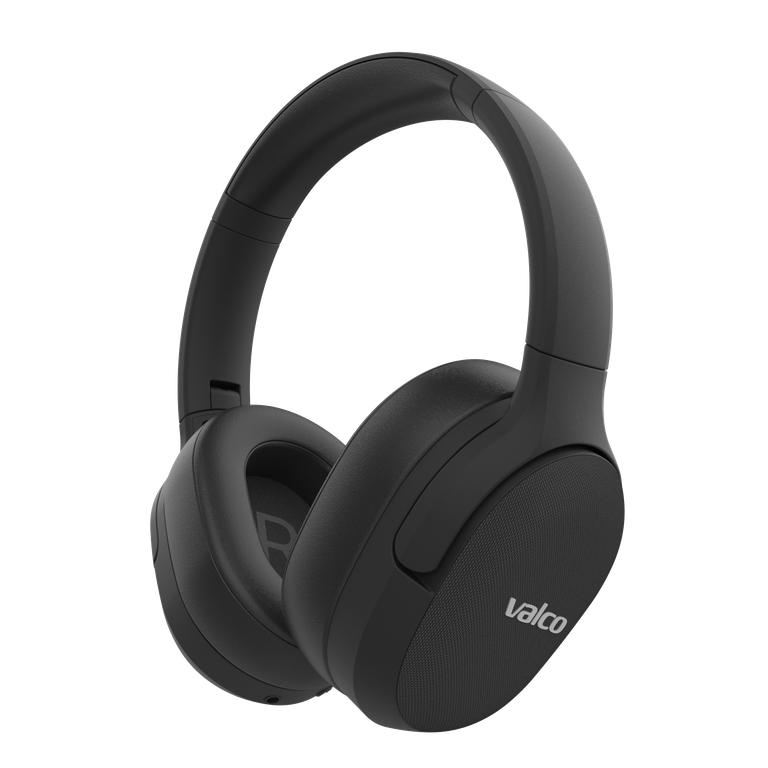
That's why the VMK25.2 costs a fraction of what the big brands' flagships do. Not because it's worse. But because we're not funding anyone's superyacht maintenance.
Cheaper doesn't mean worse
This is the part where someone says: "But cheap can't be good." Oh yes it can. Cheap can be bad if you skimp on components. But if you save on advertising and middlemen, the money goes where it should.
We use the same or better components than our competitors. Jasse hand-tunes the sound profile of every model. And if your headphones break, we fix them in Kajaani instead of telling you to "buy new ones." Because a 14-person company can't throw money at ads, we have to make a better product. It's our only marketing strategy.
Every purchase also funds our Death Star, of course. But that's a small price to pay for world peace.