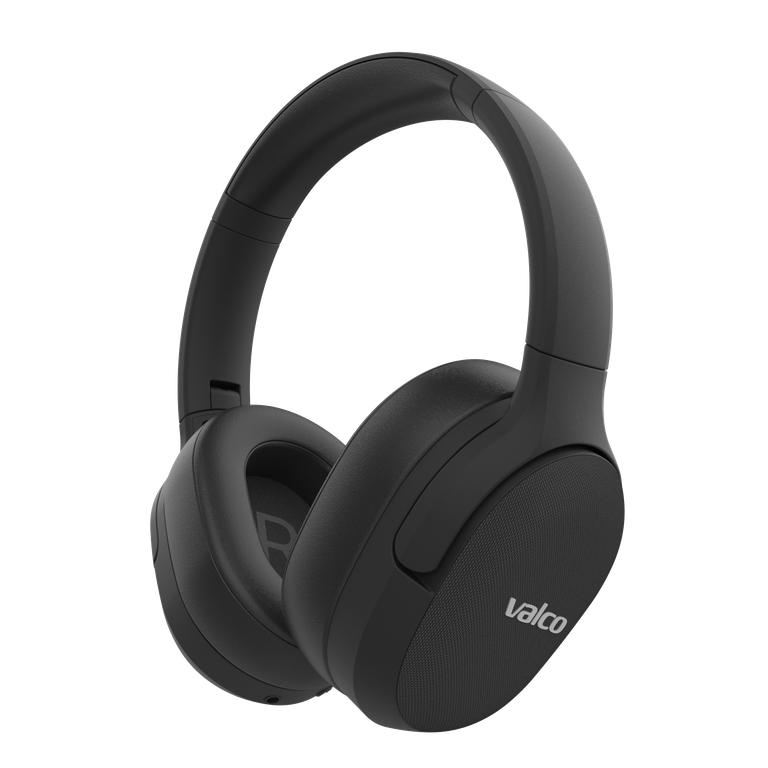
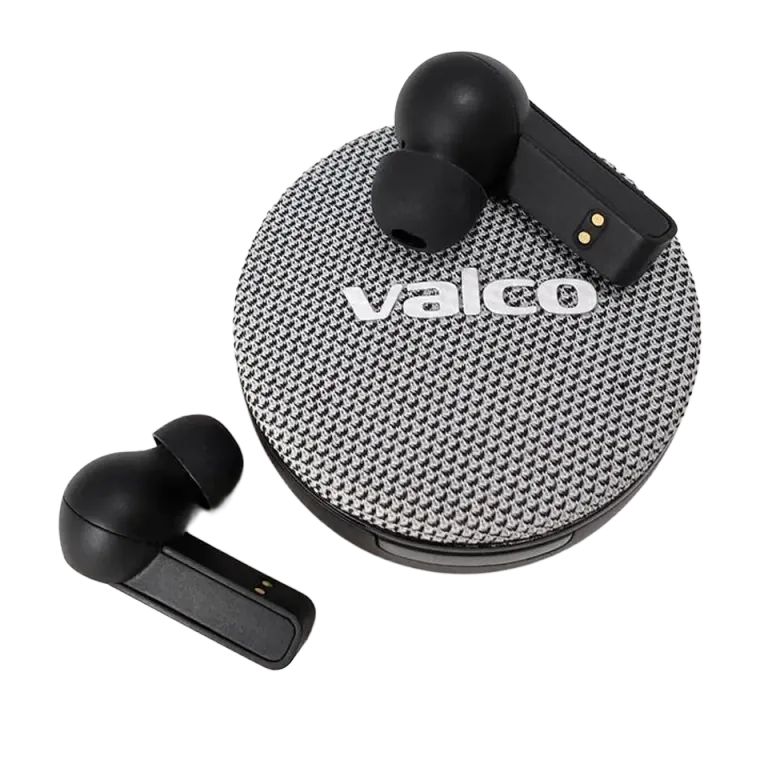
Your kid needs headphones. Maybe school requires them, maybe there's a long road trip ahead, maybe you just want five minutes of silence. We get it. In this guide, we'll honestly walk you through what to consider when buying headphones for kids – and what we can offer.
Why are kids' headphones their own thing?
Children's ears are physiologically more sensitive than adults'. That's not marketing fluff – it's biology. The WHO recommends a maximum of 85 decibels for children. The recommendation for adults is also 85 dB, but adults tolerate short peaks better.
In practice, this means three things:
- Volume limiting is the single most important feature. Without it, your kid will crank the volume to the max and you'll hear about it from an audiologist ten years from now.
- Fit is everything. Too big and they slide down to the neck. Too small and they squeeze. In neither case will the kid actually keep them on their head.
- Durability is an underrated feature. A child treats headphones with roughly the same tenderness as Henri treats his Alfa Romeo – that is, roughly and often.
Over-ear headphones or earbuds?
Let's be straight: for kids, over-ear headphones are almost always a better choice than earbuds.
Earbuds are small, easy to lose, and children's ear canals are still growing. It's also harder to reliably limit volume with earbuds, because the seal varies depending on how the bud happens to sit in the ear.
Over-ear headphones stay on the head, they're visible (so you know when your kid is listening instead of having to guess), and decent models can handle a fair amount of yanking.
Does Valco make kids' headphones?
No. Honestly, no.
We don't make headphones specifically designed for children with a built-in 85 dB volume limiter. If your child is under 10, we recommend buying headphones with a physical volume cap. Companies like JBL (the JR series) and OTL Technologies make those. They're affordable, reasonably durable, and they do that one thing right.
If your kid is a teenager – let's say 12 or older – it's a different story. At that point, their ears can handle regular headphones, as long as the volume stays sensible. This is where our VMK20 or VMK15 are genuinely good options:
- VMK15 is our most affordable model. Good sound quality, wireless, and if your teen hurls them at the wall during a rage fit, we'll repair them in Kajaani instead of you having to buy new ones.
- VMK20 is a step up. Active noise cancellation helps with focusing on homework – or at least in theory. The fabric finish is comfortable for long sessions.
Neither has a built-in volume limiter, so the parent needs to handle that through the phone or tablet settings. Both iOS and Android let you limit volume in the device settings. Use it.
Who should pick something else?
Under 10 years old – buy headphones with a physical volume limiter. JBL JR310 or similar. They cost thirty euros and do the job. We're not the right choice here, and it would be lying to claim otherwise.
If you want the cheapest possible option and don't care about repairability, supermarket own-brands go for a tenner. They'll last maybe a year. Then you buy new ones. And new ones again. And again. At some point you've paid more than a Valco would've cost, but hey, you have the freedom to make bad decisions.
If your teen wants Apple AirPods Max because everyone else has them – well, that's a parenting question, not a headphone question. Jasse-tuned VMK25.2s sound better at half the price. But a 14-year-old isn't exactly impressed by an audio engineer's insured ears.
Summary
- Under 10: Buy volume-limited kids' headphones (JBL, OTL). Not Valco.
- 10–14: VMK15 or VMK20 + enable the volume limit on the phone. Great sound, durable, repairable.
- Over 14: Our entire lineup works. VMK20 is unbeatable for value.
- Earbuds for kids: Not yet. Too small, too easy to lose.
Remember to limit the volume in the device settings. It's free and takes five minutes.
Every Valco purchase funds 0.000001% of our Death Star, but in this case we'll say it straight: for a small child, our headphones aren't the right choice. For a teenager, absolutely. Honesty is a value that costs nothing – unlike child support payments.