Short answer: yes
You'll hear the difference. Maybe not in the first second, but you'll hear it. It's a bit like switching from instant coffee to proper filter coffee – the first sip doesn't blow your mind, but a week later you can't stomach that old swill anymore.
This isn't some audiophile hi-fi snobbery. It's about the basics: can you hear the singer breathing at the start of the track? Can you tell the bass apart from the guitar, or is it all just mush? Does listening fatigue you after an hour? Different headphones answer these questions very differently, and the price gap usually explains why.
What "better sound" actually means in practice
Sound quality isn't mysticism. It's physics and engineering.
The driver is the part of the headphone that produces sound. In cheap headphones, the driver is cheap – shocker. It reproduces the midrange okay-ish, but the bass distorts and the treble hisses. In a more expensive headphone, the driver reproduces a wider frequency range more cleanly. Simple as that.
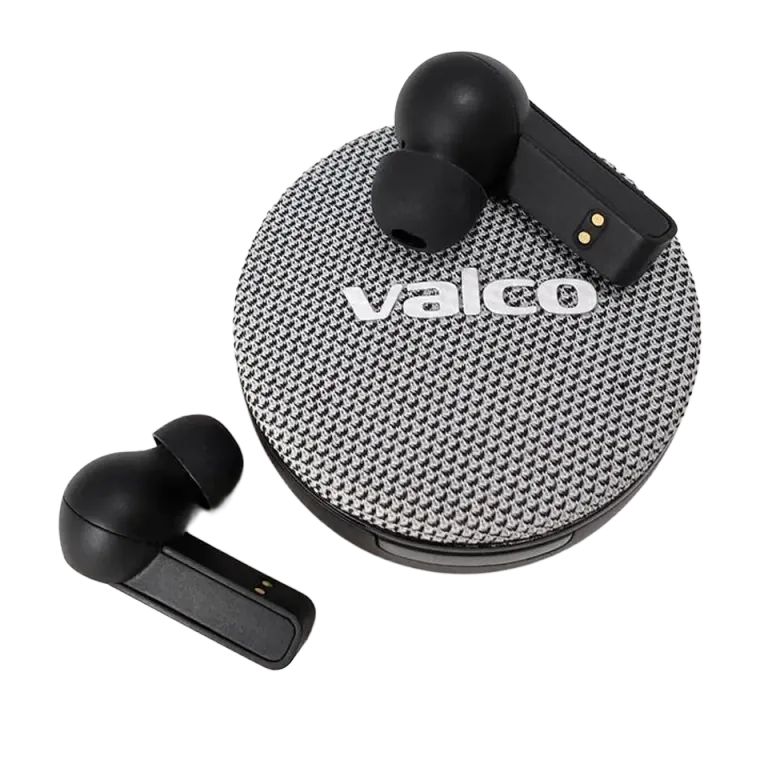
Then there's the frequency response – how the headphone emphasises different sounds. A lot of big brands crank the bass artificially because it sounds impressive in the shop. The problem is that over-boosted bass buries everything else. Jasse – our sound engineer, whose ears are insured because they're literally the company's most valuable asset – tunes Valco headphones so that all frequencies are balanced. The bass is there, but it doesn't eat the rest of the music.
The third thing is isolation and fit. A poorly fitting headphone lets background noise in, and your brain has to work overtime to separate the music from the racket. That's why listening gets tiring. Good passive isolation does more than any active noise cancellation tech.
"But I don't have golden ears"
You don't need them. This is the most common misconception. You don't need to be a sound engineer to hear the difference – you just need to listen.
Try this: listen to a song you know well through your phone speaker first, then with the cheapest earbuds you can find, and then with proper headphones. If you can't hear the difference between the last two, we've got a problem. (Or you do, but that's a doctor thing.)
The human ear is actually a remarkably precise instrument. It picks up even tiny differences – the brain just can't always put into words what it's hearing. That's why the difference often feels more than it sounds. Better headphones don't scream "I'm better" – listening to music just feels more comfortable. Simple as that.
Where the line is
Let's be honest: the difference between €20 and €100 headphones is massive. The difference between €100 and €200 is clear. The difference between €200 and €500 exists, but it's smaller. And the difference between €500 and €2000 is mostly the size of your bank account.
We make headphones in that sweet spot where you get the best sound quality without having to sell a kidney. Big brands spend half the price on advertising and sponsorships. We spend it on sound design and on letting Jasse sit in the studio for as long as he needs.
And on the Death Star, obviously. That thing doesn't fund itself.
Try it yourself
The best way to find out is to listen. We've got a 30-day return policy, so the risk is zero. If you can't hear the difference, send them back. If you can – welcome to the club. There's no going back.