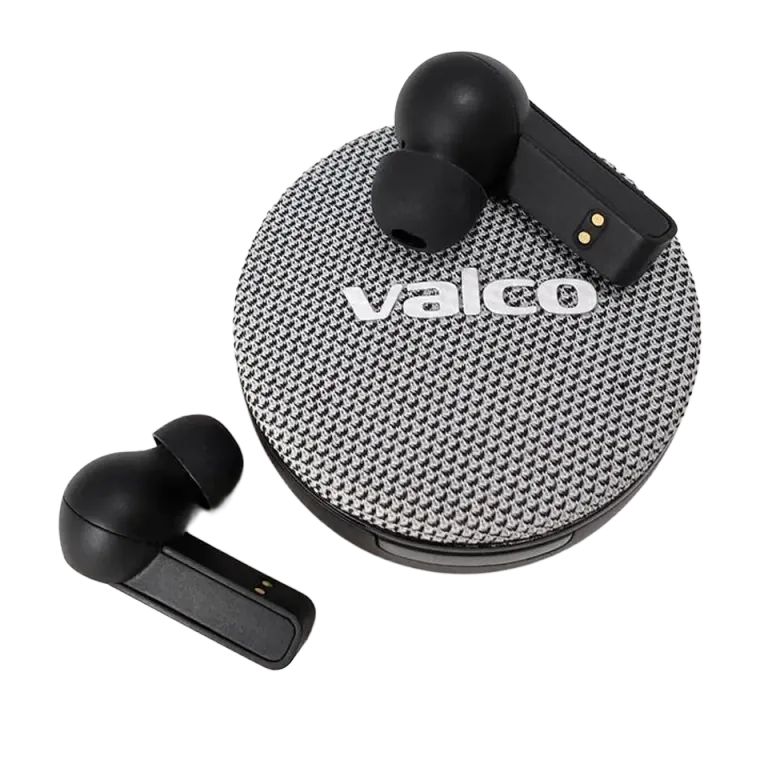
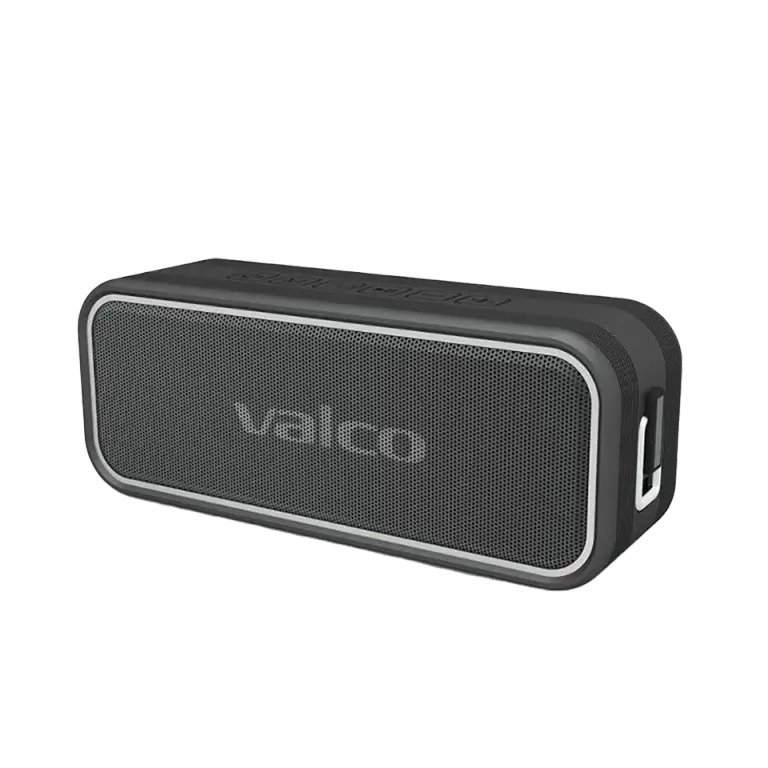
Headphone specs always list something like "20 Hz – 20,000 Hz" and it looks important. And in a way, it is. But it's nowhere near as simple as manufacturers want you to believe.
Let's break down what it actually means.
What does frequency response mean?
Frequency response tells you the range of sound headphones can reproduce. The human ear hears roughly from 20 Hz to 20,000 Hz, from a low rumble to a high hiss. 20 Hz is the feeling you get when the bass rattles your chest. 20,000 Hz is the sound you can maybe still hear if you're 15 and haven't been to too many loud concerts.
When a manufacturer lists 20–20,000 Hz as the frequency response, it basically means: "These reproduce everything your ears can hear." And that's where the problem starts.
Why the number alone tells you nothing
Almost every pair of headphones, including the 15 euro earbuds from the petrol station shelf, lists 20–20,000 Hz as the frequency response. It's a bit like a car listing says "has an engine." Technically true, but it doesn't tell you whether it drives like Henri's Alfa Romeo (badly and unpredictably) or like Raimo's W124 (smoothly and forever).
What matters isn't the range but how evenly the headphones reproduce sound across that range. This is shown on a frequency response graph, a curve that shows how loud each frequency plays. A flat curve means no frequency shouts over the others and none disappears.
Cheap headphones often artificially boost bass and treble because it sounds like "wow" on first listen. Five minutes later your ears are tired and the music sounds like it's playing out of a bucket.
How Valco does it
Jasse, our sound designer whose ears are insured (that's not a joke, well, maybe a little), tunes the frequency response of every Valco headphone model by hand. The goal is a balanced, natural sound where the bass is solid but not muddy, the mids are clear, and the treble is bright without stabbing your eardrums.
We don't cram EQ sliders into our products. Jasse's tuning is the whole point. If your taste differs from Jasse's, use the equalizer on your playback device. He won't take it personally. Or he will, but he'll survive.
What to actually take away from this
When comparing headphones, don't stare at the frequency response range in the specs. It's a marketing number. Look at reviews instead, listen for yourself if you can, and remember that a flat frequency response is usually better than an artificially pumped one.
And if some manufacturer lists a frequency response of 5 Hz – 40,000 Hz, it sounds impressive. You just can't hear those frequencies. Maybe your dog can. But your dog isn't paying for the headphones.
Every Valco headphone is tuned so the music sounds like it's supposed to. And every purchase funds 0.000001% of our Death Star. Thanks for that.