Impedance is one of those spec words that headphone enthusiasts toss around in conversations like confetti. Most people have no idea what it means, but everyone nods along wisely. Let's break it down so you never have to do the empty nod again.
Impedance in a nutshell – ohms and real life
Impedance is measured in ohms (Ω) and it basically tells you one thing: how much resistance the headphone puts up against the signal driving it. The higher the impedance, the more power you need to get adequate volume.
Think of it like a garden hose. Low impedance is a wide hose – water flows through easily even with low pressure. High impedance is a narrow hose – you need more pressure to get the same amount of water through.
In practice:
- Under 32 ohms – Works with anything. Phone, laptop, tablet. No worries.
- 32–80 ohms – Usually works fine from a phone, but some devices start to struggle a bit.
- 80–300 ohms – This is where you start hitting a wall. A phone might be enough for quiet listening, but proper volume and dynamics require a separate amp.
- Over 300 ohms – Without an amp, you're basically listening to a mosquito hum.
Why does impedance matter for sound quality?
Volume alone isn't the whole story. In high-impedance headphones, the driver is often designed so that paired with an amp, it reproduces sound more accurately and with better control. Bass stays tight and doesn't get sloppy. Treble doesn't distort.
Low-impedance headphones, on the other hand, are optimised to work with low-power sources. They're sensitive – which also means they might pick up background noise from the source device more easily. Sometimes you'll hear a faint hiss from your phone during quiet passages. That's not the headphone's fault – it's a limitation of the phone's DAC and amp.
Jasse – our audio engineer whose ears are separately insured – sums it up like this: "Impedance doesn't tell you if a headphone is good or bad. It tells you what kind of source it works best with."
What about Valco headphones?
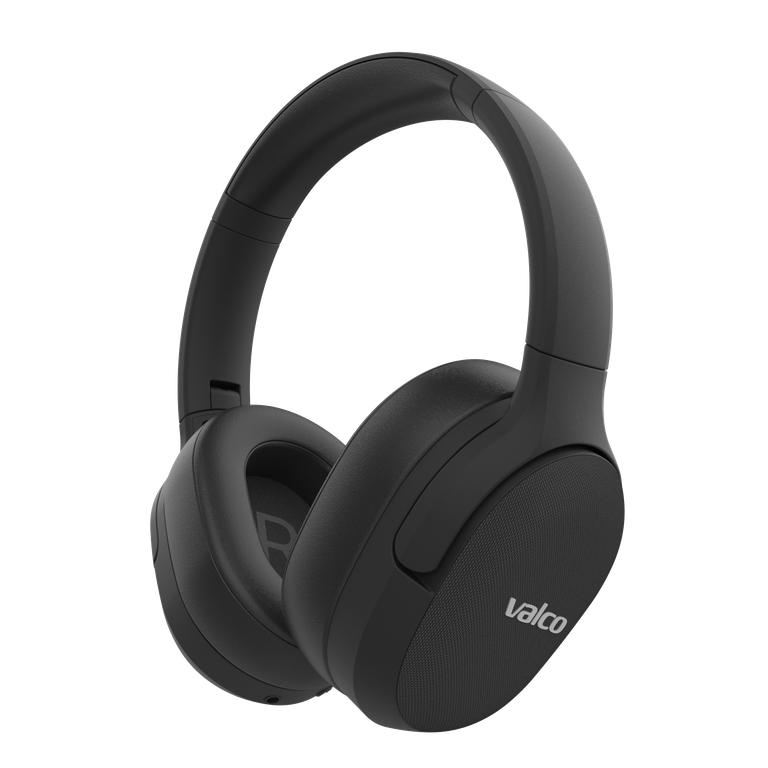
Valco headphones are designed for everyday use. The VMK series over-ears and NL series in-ears are all low-impedance devices that work straight from your phone, laptop, or tablet without any separate amp.
We don't make studio headphones that require a dedicated amp and a second mortgage to drive. Our headphones run on Bluetooth, which makes impedance even less relevant – the headphone's own internal amp handles driving the driver. You don't need to think about ohms at all.
If you use the VMK series with an AUX cable, the impedance is still low enough that any device will drive them without issues.
When should you actually care about impedance?
If you're buying wireless headphones – like ours – impedance is basically pub quiz trivia. The headphone's own electronics take care of everything.
If, however, you're venturing into the world of wired audiophile headphones and considering 250–600 ohm studio monitors, then impedance is a key factor. You'll need a proper headphone amp, and those start at prices where Henri's Alfa Romeo repair bills leave off. Which is to say, they never end.
In summary: if your headphones have an impedance under 50 ohms or they're wireless, you don't need to worry about it. If the impedance is over a hundred ohms and you plan to use them with a phone, get an amp or switch headphones. It really is that simple.