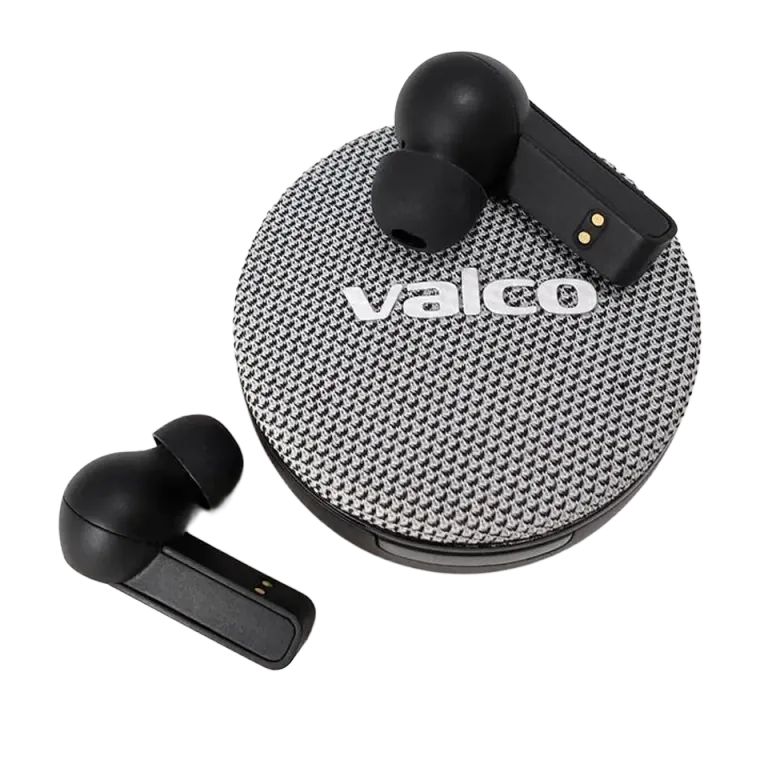
Bluetooth is that invisible thread connecting your headphones to your phone. It was invented in 1994, and the name comes from Viking king Harald Bluetooth. This is actually true. The Vikings didn't listen to podcasts, mind you, but the idea was the same: connecting different devices to each other.
Bluetooth versions have piled up over the years like fault codes on Henri's Alfa Romeo. Not all of them are equally good. Here's why the version matters and what Bluetooth 5.0 actually means in practice.
Bluetooth versions in a nutshell
Bluetooth 4.0 was perfectly decent in its day. The connection worked, but the range was short and the signal liked to drop out. If you popped to the kitchen for a coffee and left your phone in the living room, the music started stuttering. Annoying.
Bluetooth 5.0 fixed these problems. Three key improvements:
- Range: Theoretically four times that of its predecessor. In practice, this means the connection holds together even through walls and at longer distances. Coffee run: successful.
- Stability: The signal is significantly less sensitive to interference. In an office where every colleague is streaming their own music, devices don't get confused nearly as easily.
- Power consumption: Lower. This means longer listening times on the same battery. No need to charge your headphones every single night.
What about newer versions?
Bluetooth 5.1, 5.2, 5.3, and 5.4 have brought minor improvements. For example, 5.2 introduced LE Audio support, which enables more efficient audio transmission. These are incremental updates, though – not the kind of leap we saw going from 4 to 5.
In practice, Bluetooth 5.0 is more than enough. If someone is trying to sell you headphones on the basis that they have 5.3 instead of 5.0, the real-world difference is vanishingly small. What matters more is how the manufacturer has designed the antenna and software. A poorly designed 5.3 loses to a well-designed 5.0 every time.
What the Bluetooth version does NOT tell you
The Bluetooth version tells you virtually nothing about sound quality. Sound quality depends on the codec being used (SBC, AAC, aptX, LDAC) and above all, on how the headphones have been tuned. Jasse's ears are insured for a reason – good tuning genuinely takes skill.
The Bluetooth version also doesn't tell you about noise cancellation effectiveness, microphone quality, or whether the device will last longer than 18 months. Those are the things where the real differences are made.
Valco devices and Bluetooth
All current Valco headphones and speakers use at least Bluetooth 5.0 technology. The connection is stable, the range is plenty for normal use, and the battery lasts. We don't pay extra just to slap a bigger version number on the box – we'd rather pay Jasse to get the sound right.
Every purchase also funds our Death Star by roughly 0.000001 percent. Thank you for your contribution to galactic security.