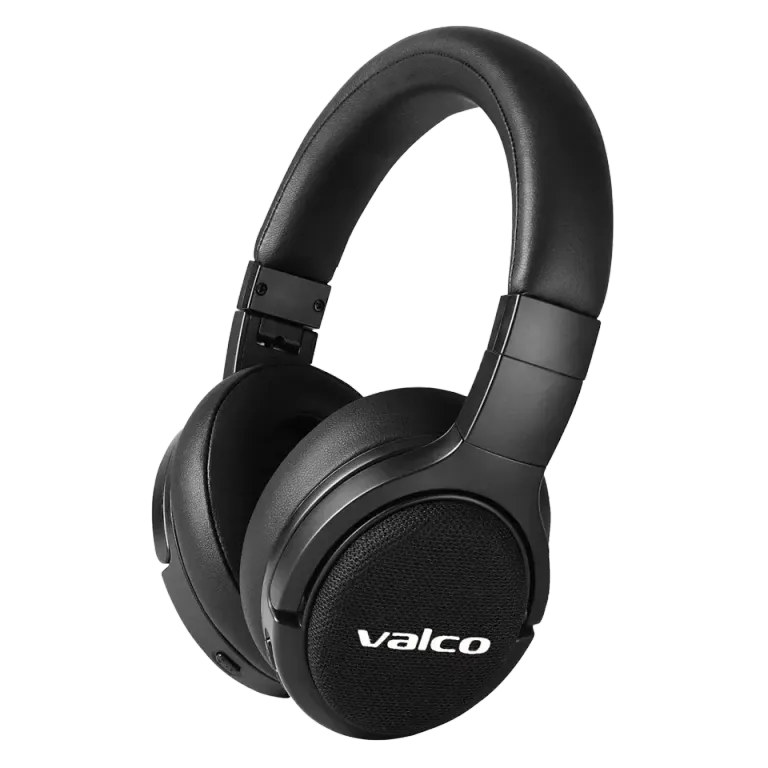
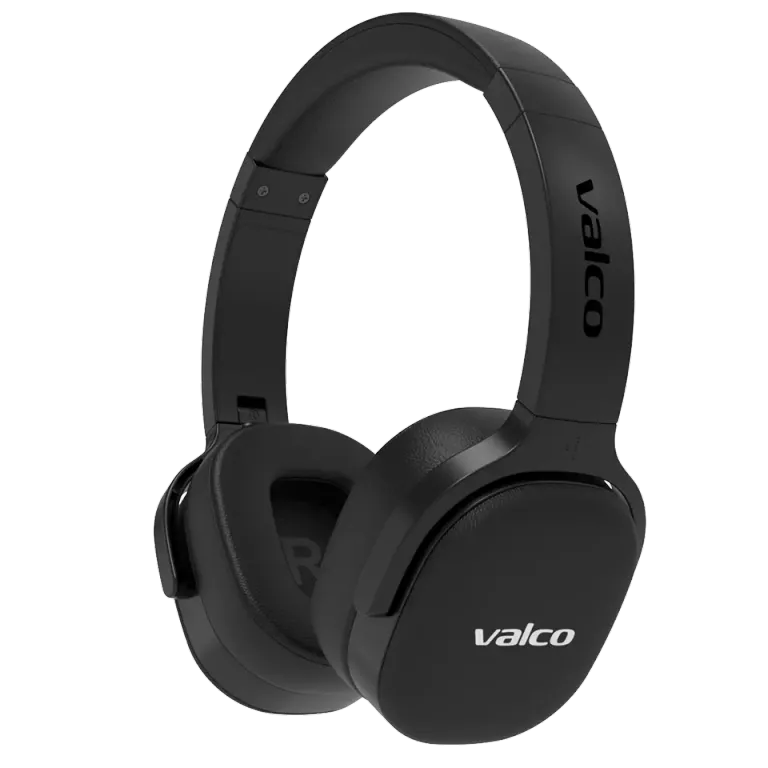
Wind and ANC are a bit like cats and dogs: they just don't get along. This isn't a VMK20-specific problem, it's a physics problem. Let us explain.
Why doesn't ANC block wind?
ANC works by having microphones listen to the environment and generate an opposing sound wave. Works great against steady, low sounds: airplane hum, train rumble, office AC noise. Wind is a different beast.
Wind isn't a steady sound. It's chaotic, swirling air that hits the headphones' outer microphones directly and causes mechanical interference in them. ANC's algorithms try to cancel out this interference, but since wind changes every millisecond, the result is often the opposite: ANC amplifies the noise instead of removing it.
This applies to every pair of ANC headphones out there. Sony, Bose, Apple, and yes, us too. Physics doesn't care about price tags or brand names.
Here's how to get it under control
- Turn off ANC in the wind. Sounds dumb, but it's the best advice we've got. Without ANC, the headphones' passive isolation handles the job better than an algorithm trying to fight a windmill. On the VMK20, the ANC button is on the left earcup. Press it, and the green LED turns off.
- Check the fit of your ear pads. If there are gaps between the pads and your face, wind goes straight into the microphones. Press the headphones gently against your ears. If the sound improves, your pads aren't sealing properly. Old pads harden and lose their shape over time. New ones are available from us.
- Accept the physics. There are no firmware updates for the VMK20, and no algorithm beats wind. So the best advice really is the first one: turn off ANC in the wind.
- Try ANC with the AUX cable. Plug in the 3.5mm cable and test ANC that way. This also resets the Bluetooth chip. ANC on the VMK20 works independently of Bluetooth, so you can use it wired too.
- Shield the microphones. If you're walking or cycling in windy conditions a lot, pulling a beanie or scarf over the headphones helps surprisingly much. Not stylish, but effective.
What about that static hiss?
If you hear a faint hiss in silence with ANC on, that's normal. ANC's microphones and processor always produce a small baseline noise floor. It disappears the moment you start playing music. This isn't a defect, it's a feature. Well, physics, really.
If nothing helps
If ANC still seems to perform poorly indoors in a quiet environment, something else might be going on. Send us a message at info@valco.fi with your order number and a description of the problem. A photo of the headphones is welcome too, so we can check the condition of the pads. Our service team in Kajaani will sort it out.
Nobody has figured out how to tame the wind yet, unfortunately. But once we finish the Death Star, maybe we can just blow the wind away.