Active Noise Cancellation, or ANC, is one of those rare technologies that sounds like a scam but actually works. Like magic, but explainable with physics. Let's go through what it does, what it doesn't do, and whether you actually need it.
How does ANC work?
Headphones have tiny microphones that listen to the sounds around you. The headphone's processor analyses those sounds and produces a counter-sound – essentially a mirror image of the original sound wave. When these two waves meet, they cancel each other out. In physics, this is called destructive interference. We call it silence.
Think of it this way: if your neighbour is yelling at +5 decibels, the headphone produces -5 decibels. The result is zero. Well, close to zero. You can't get perfect silence without a space vacuum, and we're not quite there yet. The Death Star is only 0.00003% complete.
What does ANC remove and what doesn't it?
This is where we have to be honest, because other manufacturers aren't.
ANC works best on steady, low-frequency sounds:
- Airplane drone
- Train rumble
- Air conditioning hum
- Office background noise
ANC works poorly on sudden and high-pitched sounds:
- Children screaming (sorry, parents)
- Dogs barking
- Your coworker's laugh
- Your boss nagging (unfortunately)
In practice, ANC needs music to back it up. ANC on its own without music dampens the world nicely, but it won't make you deaf. ANC + music together, though, works wonders. That combo will get you through open-plan offices, airplanes, and buses.
Do you actually need ANC?
Yes, if:
- You work in an open-plan office or a café
- You travel a lot by plane or train
- You want to listen to music at lower volumes in noisy environments (your ears will thank you)
- You need peace to concentrate and your neighbour's renovation is an eternal project
Not necessarily, if:
- You mostly listen to music at home in a quiet environment
- Budget is tight and sound quality matters more than silence
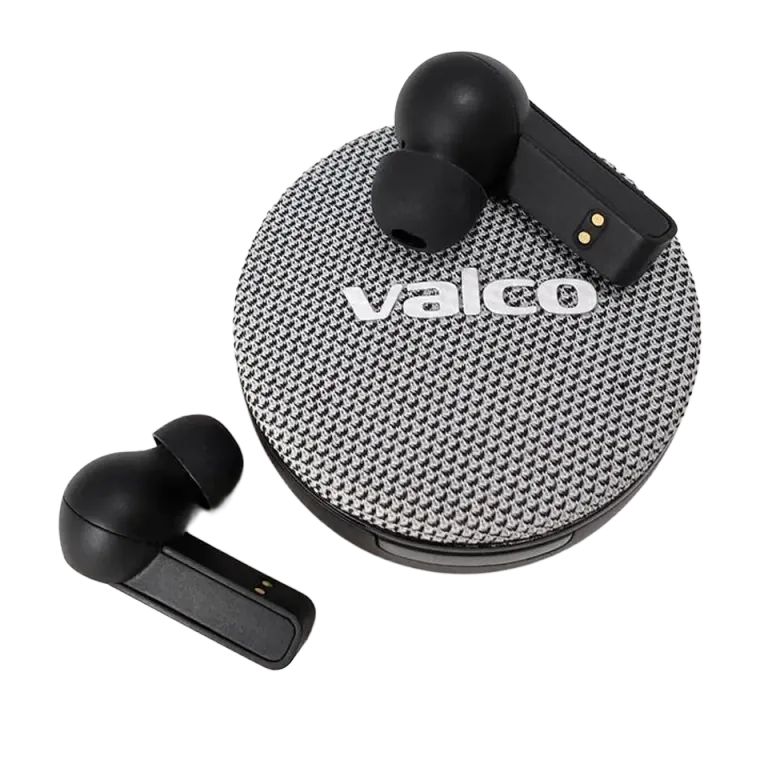
If ANC isn't a must-have, our NL21 earbuds get the job done without noise cancellation and for less money. Passive isolation – meaning the earbud physically plugs your ear canal – actually removes a surprising amount of noise on its own.
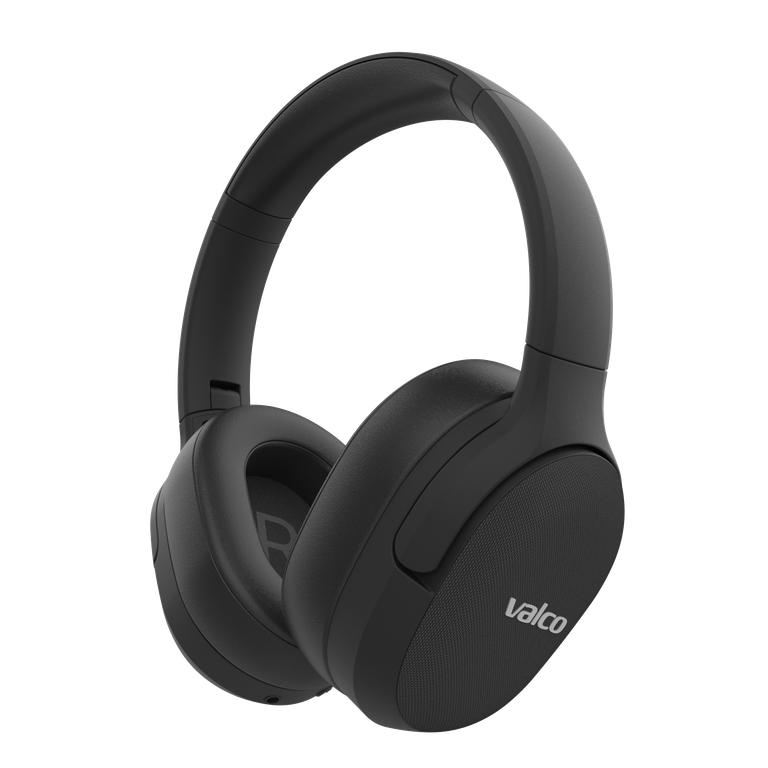
If you do want ANC, we've got options. For over-ears, the VMK25.2 is our flagship, which Jasse has tuned for so long that his insured ears have probably fused to the headphones by now. On the earbud side, the NL25 offers ANC in pocket size.
What about the competition?
Sony's and Bose's ANC is the best on the market. That's a fact, and we'll admit it. But their flagship models cost 350–400 euros, and when they break in two years, you chuck them in the bin. Our headphones cost less, sound at least as good, and when something breaks, Jasse fixes them in Kajaani. No second mortgage required.
ANC is a bit like a heat pump. Once you've gotten used to it, you never want to go back. Give it a try – worst case scenario, you fund our Death Star and get silence in return.